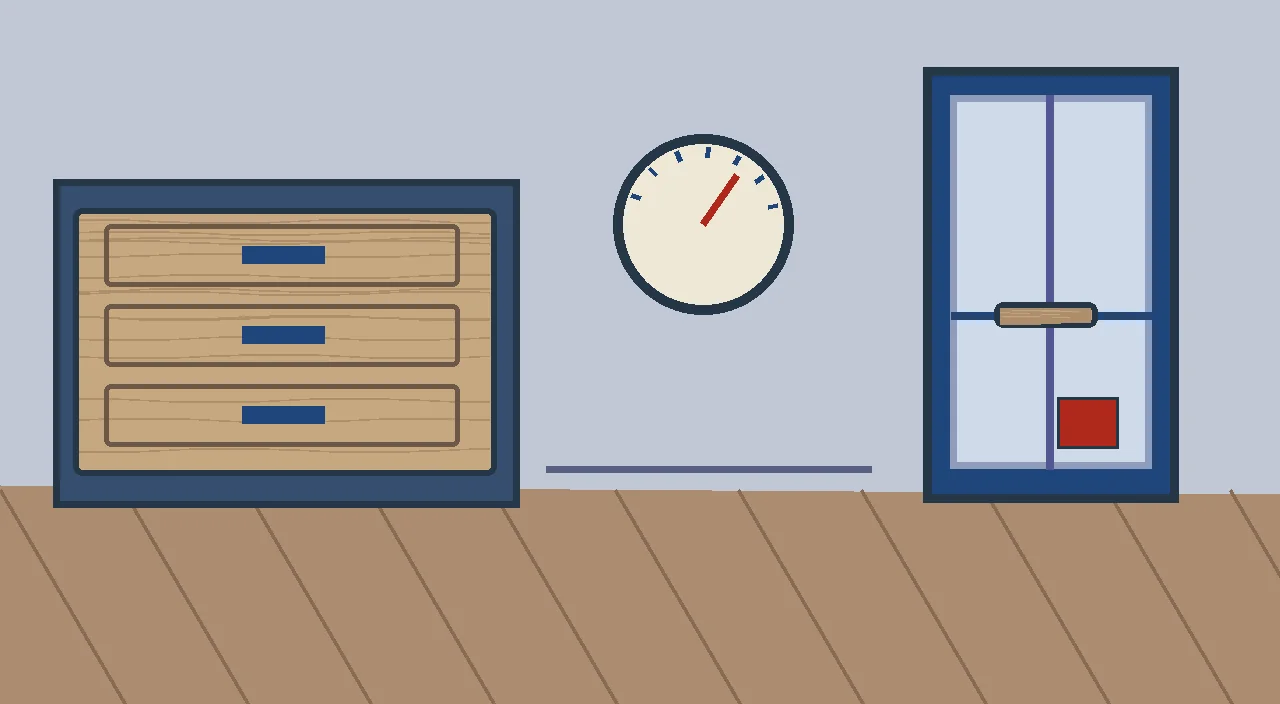
The Climate Cabinet
The cabinet is a design space for virtual surfaces. Start with two drawn parts that fit, choose one controlled change, and decide what the resulting fit should let a player do. The question for the prototype is whether the person can understand that result from the stated condition and the visible parts. A quiet view of the room can identify which detail they need before a specific action appears.
Build a check that stays useful after one move
Puzzle design sets the necessary material states and which objects respond together. It checks exactly when a new simulated setting takes effect. If a hand control remains unavailable after a different air choice, the state needs a written reason. Illustration gives each moving and fixed part its own silhouette. Narrow views of the shuttle and tongue can show height or width without changing how large the rest of the virtual room is. A recipe of colors is secondary to the visible gap around the part.
Interface design connects a selected area of the room to the relevant details under it. A page link can return to that section. A challenge tile can open with a complete project summary. The production notes group earlier diagrams and newer interface choices, with the most recent entry identified in its volume. The writing for a published proof states the original question in enough detail to make its figures readable.
A physical rule belongs to this particular simulation
The first two projects are concepts. We draw an invented room with humidity effects controlled by game rules. The labels describe simulated states rather than real predictors or care instructions. A simple box and a sash supply enough comparison for a first implementation. Keep the first proof available when a later test asks about a different kind of delay. Readers can find what the earlier example meant even if the opening illustration eventually changes.
A useful brief experiment identifies the dimension or time step involved. It gives a clear next action. If you find a problem with a picture or note, tell us what area you selected and which part no longer matched the description. This helps us retrieve a small diagram instead of expanding the test to the whole room. The next work on the cabinet can keep more of the same context with each recorded result.